When people think about Africa’s great wildlife migrations, the Serengeti in Tanzania and Kenya usually comes to mind. Yet far from the crowds and safari circuits of East Africa lies one of the continent’s most extraordinary and least-known wildlife spectacles — the wildebeest migration of Liuwa Plain National Park.
Stretching across vast open grasslands in western Zambia, Liuwa Plain offers a safari experience that feels raw, untouched, and wonderfully wild. Here, thousands of wildebeest move across the plains following the seasonal rains, accompanied by zebras, predators, dramatic thunderclouds, and endless horizons that seem to stretch forever. Unlike many of Africa’s more commercial safari destinations, Liuwa remains peaceful and uncrowded, allowing visitors to experience nature in its purest form.
The migration in Liuwa Plain is often described as Africa’s second-largest wildebeest migration, with more than 50,000 wildebeest roaming the park during the green season. Combined with remarkable birdlife, large predator populations, and breathtaking landscapes, the park has quietly become one of Zambia’s most spectacular wildlife destinations.
For travellers seeking authenticity, adventure, and a deeper connection to Africa’s wilderness, Liuwa Plain is more than just a safari destination — it is one of the last truly wild places left on the continent.
Where is Liuwa Plain National Park?
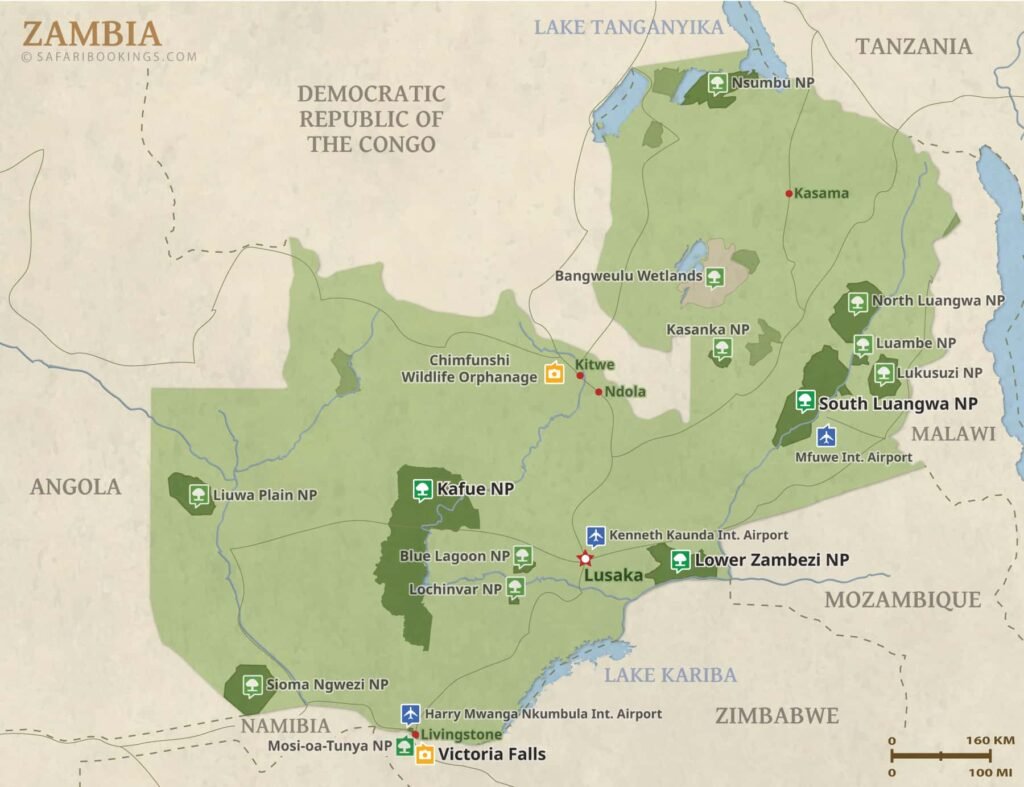
Located in Zambia’s remote Western Province, Liuwa Plain National Park is one of Africa’s oldest protected areas and among its most fascinating wilderness destinations. Covering approximately 3,660 square kilometres of open grasslands, seasonal floodplains, and scattered pans, the park lies close to the Angolan border and forms part of the greater Barotse Floodplain ecosystem.
Liuwa’s beauty is unlike the dense woodlands and riverfront landscapes commonly associated with African safaris. Instead, the park is defined by immense open plains, dramatic skies, distant storm clouds, and an overwhelming sense of space. During the rainy season, the grasslands transform into a lush green carpet filled with wildflowers and shallow pools that attract extraordinary concentrations of wildlife and birds.
For decades, Liuwa Plain remained largely forgotten and underdeveloped, which helped preserve its wild and untouched character. Since African Parks took over the management of the park in 2004, conservation efforts have helped restore wildlife populations and place Liuwa among Zambia’s rising safari destinations.
Today, the park offers a rare opportunity to experience Africa as it once was — remote, untamed, and free from the crowds often found in more famous safari regions. The isolation of Liuwa is part of its magic. Visitors come here not only for wildlife, but for the feeling of standing in one of Africa’s last great open wildernesses.
The Wildebeest Migration Explained
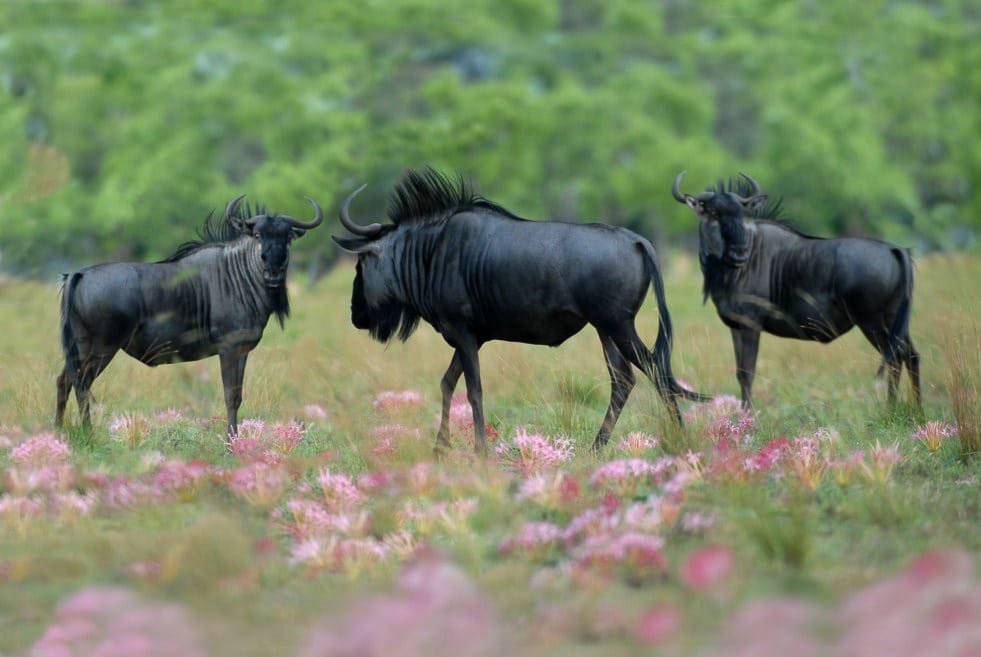
Every year, with the arrival of the first rains, one of Africa’s most remarkable wildlife movements unfolds across the plains of Liuwa Plain National Park. Driven by the search for fresh grazing and water, tens of thousands of wildebeest begin moving across the landscape in an ancient rhythm that has shaped the ecosystem for centuries.
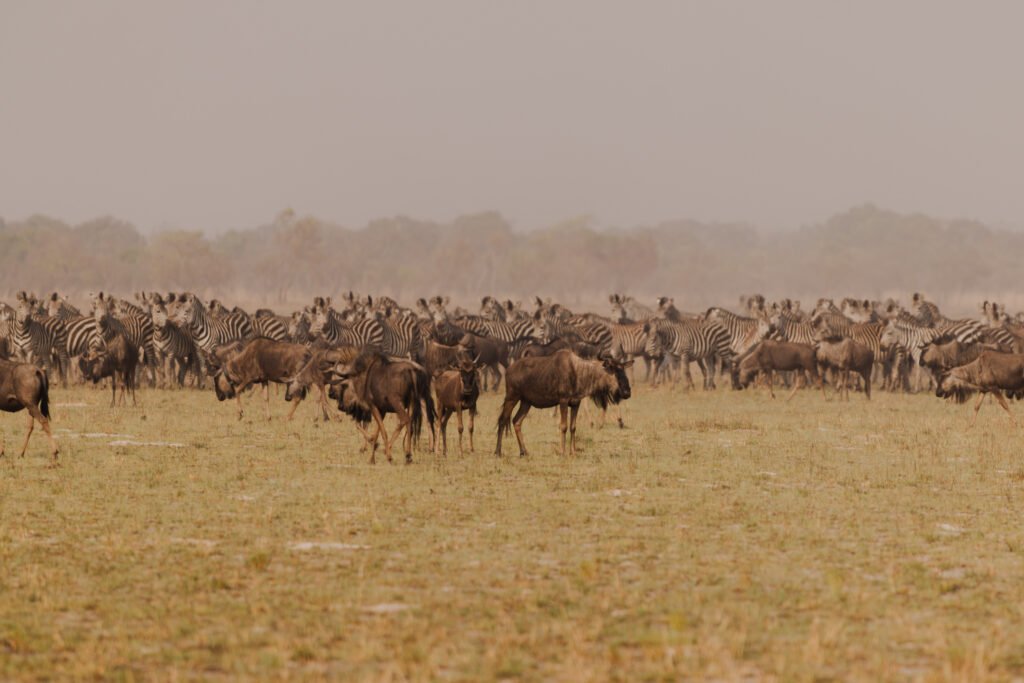
Unlike the river-crossing drama often associated with the Serengeti migration, Liuwa’s migration is quieter, wilder, and deeply atmospheric. Here, the wildebeest spread across endless grasslands beneath towering storm clouds, creating scenes that feel almost prehistoric. During peak season, enormous herds can be seen stretching across the plains alongside thousands of zebra and other antelope species.
November is considered one of the most spectacular periods to witness the migration, as it coincides with the calving season. Newborn wildebeest appear across the plains in huge numbers, attracting predators such as lions, spotted hyenas, cheetahs, and African wild dogs. The interaction between predators and prey creates an intense and dynamic wildlife experience that feels entirely natural and unscripted.
The migration also plays a critical role in the park’s ecosystem. As the herds move, they shape the grasslands, disperse nutrients, and support the complex balance of life that defines Liuwa Plain. For photographers, wildlife enthusiasts, and safari travellers alike, witnessing thousands of wildebeest moving across these untouched plains is both humbling and unforgettable.
Best Time to Witness the Migration
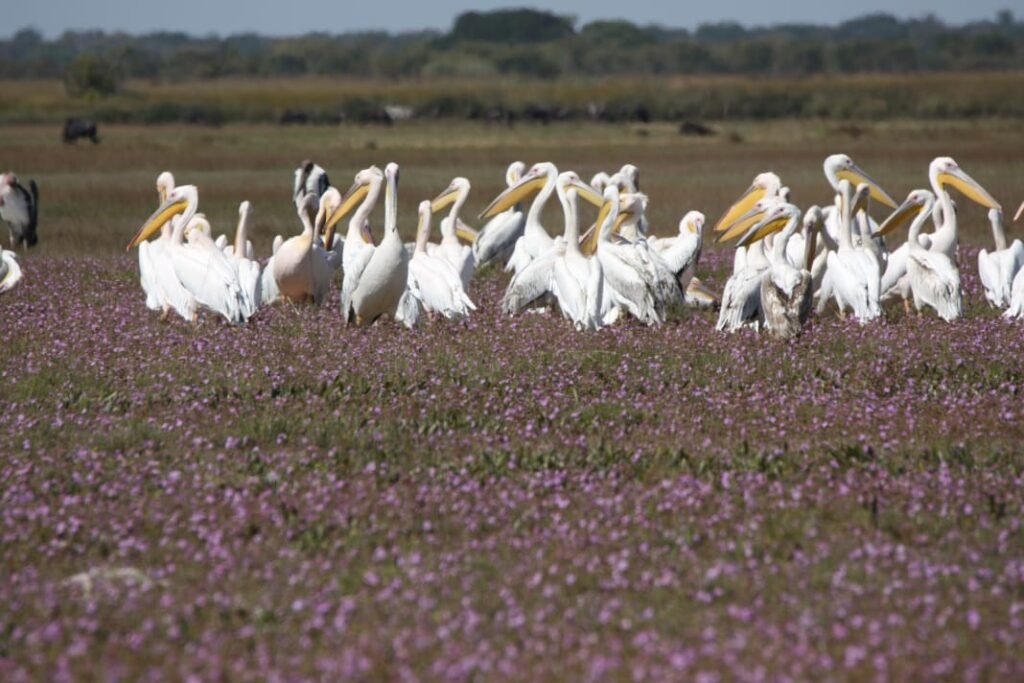
The best time to experience the wildebeest migration in Liuwa Plain National Park is during the early rainy season, particularly from October to December. As the first rains arrive across western Zambia, the dry plains rapidly transform into vibrant green grasslands, attracting massive concentrations of wildlife and creating some of the most dramatic safari scenery in Africa.
November is widely regarded as the peak month for the migration. This is when the wildebeest herds gather in impressive numbers across the central plains, while the calving season brings thousands of newborn animals into the ecosystem. The abundance of young wildebeest naturally attracts predators, making this one of the most exciting periods for wildlife viewing and photography.
The green season also brings extraordinary birdlife to Liuwa Plain. Seasonal wetlands and flooded pans attract migratory species from across Africa and beyond, turning the park into a paradise for birdwatchers. Huge flocks of Black-winged Pratincoles, crowned cranes, storks, raptors, and waterbirds fill the skies and grasslands, adding another dimension to the safari experience.
Unlike traditional dry-season safaris, Liuwa’s rainy season offers dramatic skies, powerful thunderstorms, lush landscapes, and incredible photographic opportunities. The changing light, reflections on flooded plains, and endless horizons create a wilderness atmosphere that is both wild and deeply beautiful. For many travellers, this combination of migration, predators, birdlife, and scenery makes Liuwa Plain one of Africa’s most rewarding safari destinations during the green season.
Wildlife You Can Expect to See
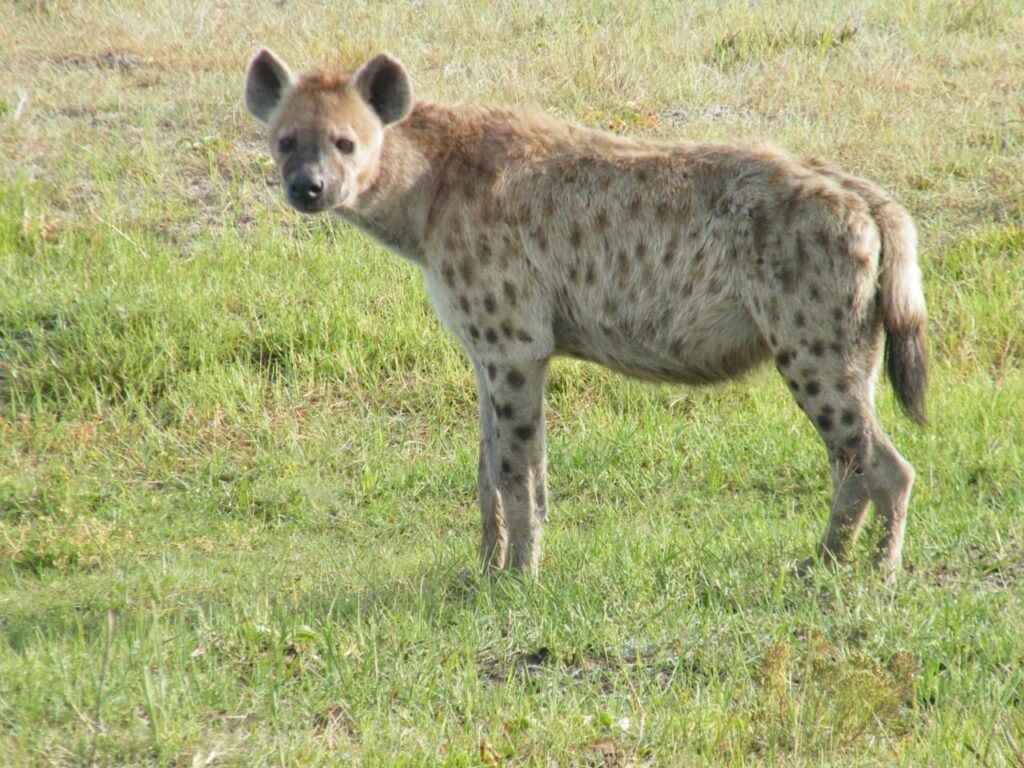
While the wildebeest migration is undoubtedly the star attraction of Liuwa Plain National Park, the park is also home to an impressive diversity of wildlife that makes every game drive unpredictable and exciting. The open plains support large populations of zebra, tsessebe, red lechwe, buffalo, oribi, and steenbok, all thriving within this vast grassland ecosystem.
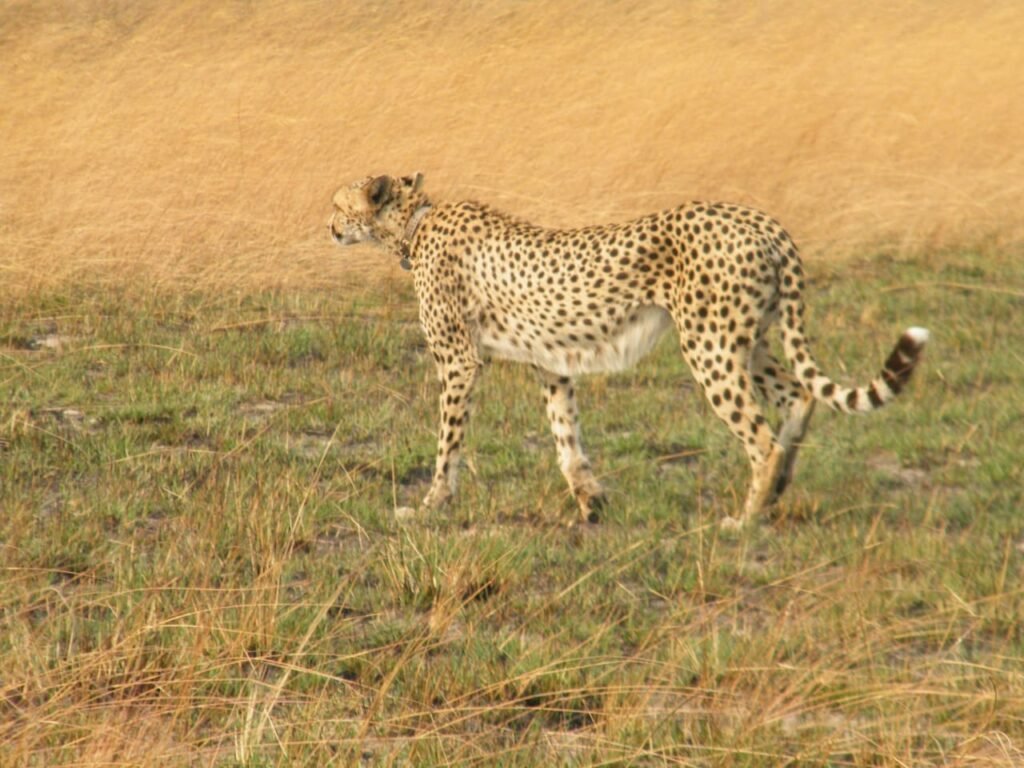
One of Liuwa’s greatest strengths is its predator population. Spotted hyenas are especially common and are often seen patrolling the plains in large numbers, particularly around the migrating herds. Lions have steadily increased in recent years thanks to conservation efforts, while cheetahs and African wild dogs are also regularly encountered. Watching predators move silently across the endless plains in pursuit of prey is one of the park’s most thrilling experiences.
The openness of the landscape creates exceptional wildlife viewing opportunities. Unlike heavily wooded safari areas where animals can disappear into thick vegetation, Liuwa’s wide grasslands allow visitors to observe wildlife interactions from great distances. Massive herds moving beneath dark thunderclouds, hyenas trailing the migration, or lone cheetahs scanning the horizon all combine to create unforgettable safari moments.
Smaller mammals and carnivores also contribute to the richness of the ecosystem. Visitors may encounter jackals, mongooses, servals, African wild cats, and countless smaller species that thrive in the park’s remote environment. Together, these animals form part of a delicate wilderness system that remains remarkably intact and wonderfully wild.
Birdlife of Liuwa Plain
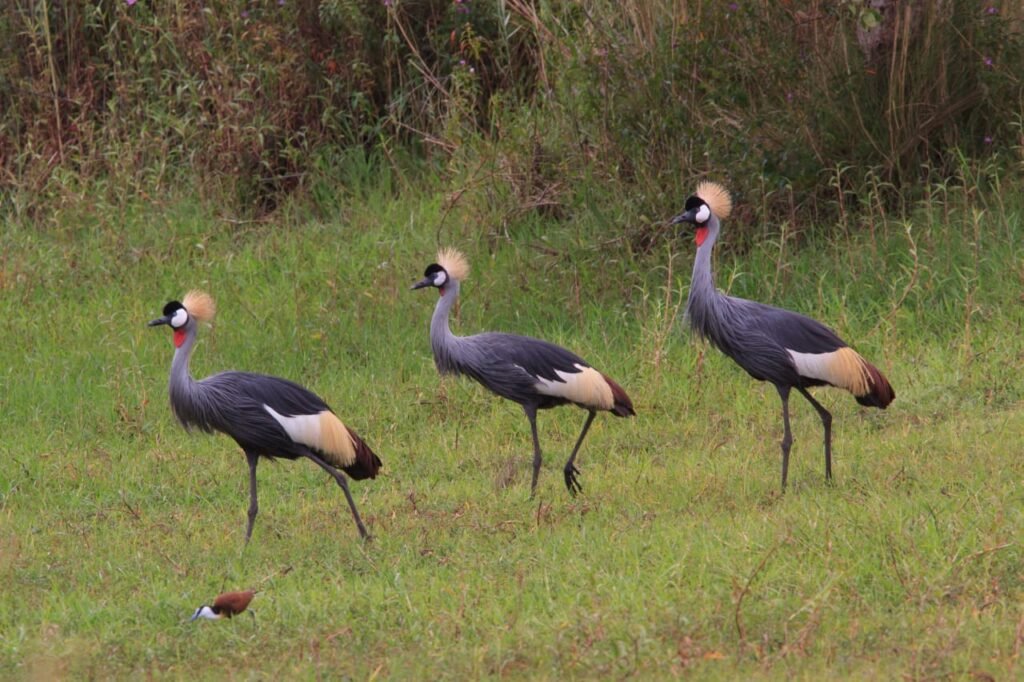
Beyond its famous wildebeest migration, Liuwa Plain National Park has quietly earned a reputation as one of Africa’s most important birding destinations. The combination of open grasslands, seasonal wetlands, floodplains, and shallow pans creates ideal conditions for both resident and migratory bird species, attracting remarkable concentrations of birds during the green season.
One of the park’s greatest wildlife spectacles is the arrival of the Black-winged Pratincole. During October and November, an estimated 150,000 to 200,000 of these birds gather in Liuwa Plain, representing a significant portion of the global population. At times, enormous flocks rise together into the sky in mesmerizing formations, creating breathtaking scenes above the plains.
Liuwa is also renowned for its populations of Wattled Cranes and Grey Crowned Cranes, both of which are regularly seen across the wetlands and grasslands. Raptors are abundant throughout the park, with Secretarybirds, Tawny Eagles, Bateleurs, vultures, kestrels, and harriers frequently observed hunting across the open plains.
For bird enthusiasts, the diversity is extraordinary. Migratory waders, storks, bee-eaters, larks, bustards, and waterbirds all contribute to the richness of the ecosystem. Species such as the Caspian Plover, White-bellied Bustard, Blue-breasted Bee-eater, and Rosy-throated Longclaw make Liuwa particularly attractive for specialized birding safaris.
Even for visitors who are not dedicated birdwatchers, the sheer abundance of birdlife adds colour, movement, and energy to the landscape. Against the backdrop of dramatic skies and endless grasslands, the birds of Liuwa Plain help create a safari experience that feels vibrant, alive, and completely unique.
The Conservation Success Story
The story of Liuwa Plain National Park is not only one of wildlife migration and breathtaking landscapes — it is also one of Africa’s most inspiring conservation recoveries. For many years, the park suffered from neglect, poaching, and declining wildlife populations, leaving much of its once-thriving ecosystem under severe pressure.
Everything began to change in 2004 when African Parks entered into a partnership with Zambia’s Department of National Parks and Wildlife to manage and restore Liuwa Plain. Through long-term conservation efforts, anti-poaching initiatives, community involvement, and wildlife protection programs, the park has gradually returned to life.
Perhaps the greatest symbol of this success is the recovery of the wildebeest population. From heavily reduced numbers decades ago, the herds have grown to more than 50,000 animals, once again establishing Liuwa as the site of Africa’s second-largest wildebeest migration. Predator populations, including lions, hyenas, cheetahs, and African wild dogs, have also steadily increased as the ecosystem recovered.
Community involvement has played a major role in this transformation. Local communities living around the park are closely connected to conservation efforts through employment opportunities, tourism benefits, and sustainable management programs. This partnership between conservation and community development has helped protect the park while also supporting local livelihoods.
Today, Liuwa Plain stands as a powerful example of what successful conservation can achieve when governments, organizations, and communities work together. The return of wildlife to these vast plains is not only a victory for Zambia, but also for Africa’s natural heritage as a whole.
Why Liuwa Plain Is Different from Other African Safaris
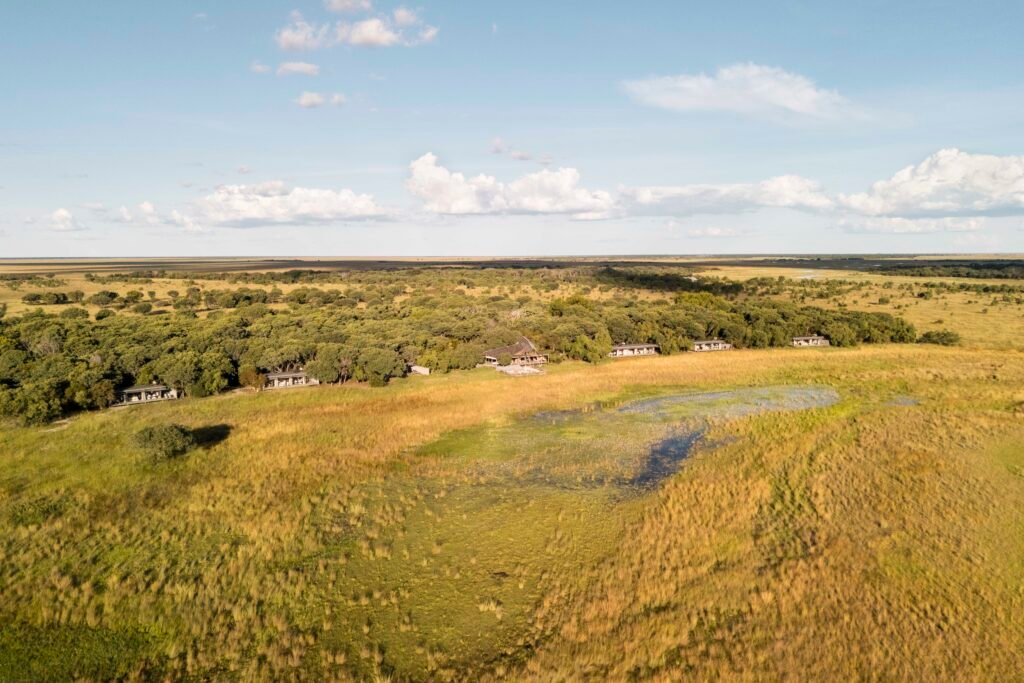
In a continent filled with famous safari destinations, Liuwa Plain National Park offers something increasingly rare in modern travel — true wilderness. Unlike many of Africa’s more commercial safari regions, Liuwa remains remote, uncrowded, and wonderfully untouched, allowing visitors to experience nature in a far more intimate and authentic way.
One of the most striking differences is the sense of solitude. On many days, visitors can spend hours exploring the plains without encountering another safari vehicle. This creates an atmosphere that feels deeply personal, where the focus shifts entirely to the landscape, wildlife, and rhythm of the natural world rather than busy tourist circuits.
The scenery itself also sets Liuwa apart. Endless open grasslands, seasonal floodplains, dramatic storm clouds, and reflective pools create a landscape that is both minimalist and incredibly powerful. During the green season, the plains burst into colour, while massive skies and changing weather patterns provide some of the most spectacular photographic conditions in Africa.
Liuwa is also unique because of the emotional connection it creates with visitors. The migration here feels raw and untamed, unfolding quietly across vast wilderness rather than around crowded river crossings. Watching thousands of wildebeest move beneath dark thunderclouds while hyenas and vultures shadow the herds creates an experience that feels ancient and timeless.
For travellers seeking exclusivity, authenticity, and a deeper connection with Africa’s wild places, Liuwa Plain offers a safari experience unlike any other. It is a destination for those who value silence over crowds, wilderness over luxury, and genuine adventure over predictable tourism.
How to Get There
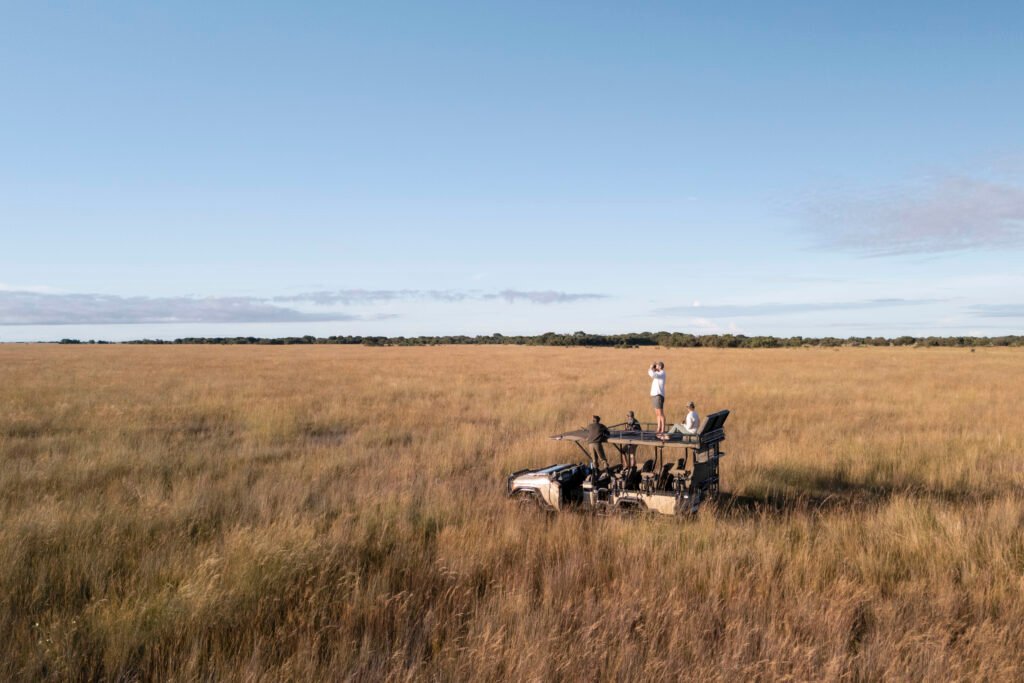
Despite its remote location, Liuwa Plain National Park is becoming more accessible for travellers seeking one of Africa’s last untouched wilderness experiences. Most journeys begin in Lusaka, Zambia’s capital city, with access either by road, charter flight, or a combination of both depending on the season and preferred safari style.
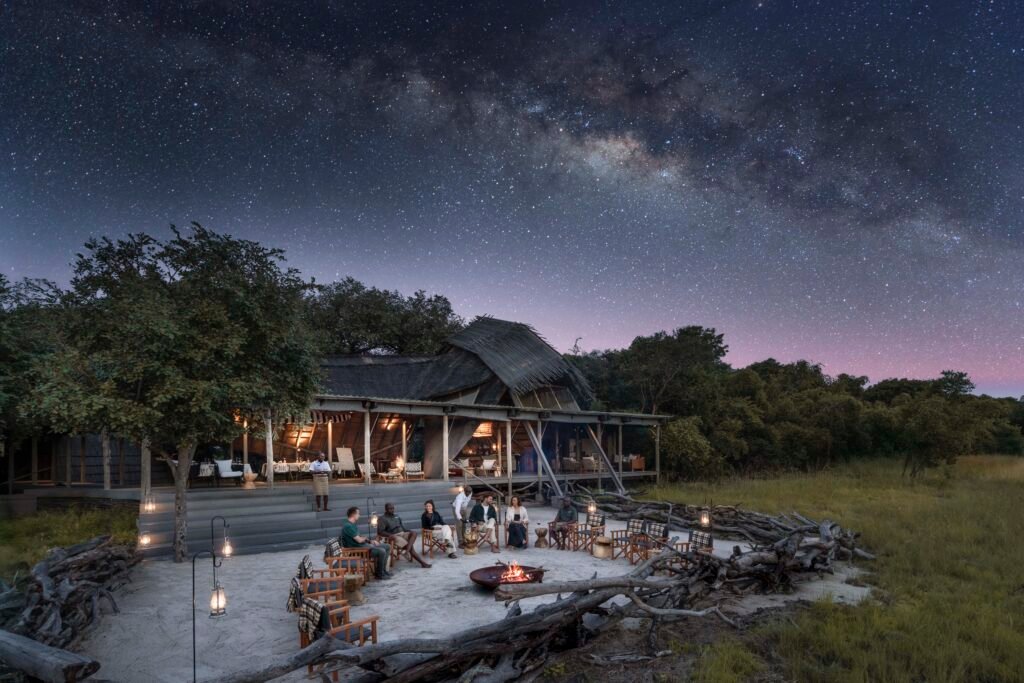
For travellers looking for comfort and convenience, Ani & Mad Holidays offers a package for 3 nights at King Lewanika Lodge in Liuwa Plain, including return flights from Lusaka. This makes it easier for guests to experience the wildebeest migration and the remote beauty of Liuwa without the long overland journey. Full package details and rates are available here: https://animadholidays.com/tour/3-nights-at-king-lewanika-lodge-liuwa-plains-with-flights/
For those who enjoy overland travel, the road journey from Lusaka to Liuwa passes through some of Zambia’s most fascinating landscapes, including the vast Barotse Floodplains. Along the way, visitors gain a deeper appreciation of rural Zambia, traditional communities, and the scale of the country’s wilderness areas.
Liuwa Plain can also be combined with other iconic Zambian destinations such as South Luangwa National Park, Lower Zambezi National Park, Kafue National Park, and Victoria Falls, creating a truly memorable safari journey across Zambia.
Final Thoughts
The wildebeest migration in Liuwa Plain National Park is one of Zambia’s greatest natural treasures and one of Africa’s most underrated wildlife spectacles. While the Serengeti may be more famous, Liuwa offers something far more intimate, remote, and untouched — a chance to witness a major migration without the crowds.
Here, the rhythm of nature still feels pure. Wildebeest move across endless plains, predators follow in their tracks, birds fill the skies, and dramatic green-season storms transform the landscape into something truly unforgettable. It is a destination that rewards travellers who are willing to go beyond the obvious and discover a wilder side of Africa.
For those seeking an authentic Zambia safari, Liuwa Plain is a remarkable choice. Whether combined with Victoria Falls, South Luangwa, Lower Zambezi, or Kafue National Park, it offers a powerful reminder that Zambia remains one of Africa’s most exciting and beautifully unspoiled safari destinations.
LiuwaPlain #WildebeestMigration #ZambiaSafari #VisitZambia #AniMadHolidays #AfricanSafari #WildlifeTravel #ZambiaTourism #LuxurySafari #SafariExperience #VictoriaFalls #TravelAfrica #ExploreZambia #AfricanWildlife #HiddenAfrica