WILDLIFE PHOTOGRAPHY WORKSHOP - SOUTH LUANGWA NATIONAL PARK - 6N7D

Duration
7 days
Max People
6
Min Age
Tour Type
Reviews
No reviews yet
Previous
Next

Overview

Wildlife Photography Workshop: Discover the Art of Capturing Nature in South Luangwa

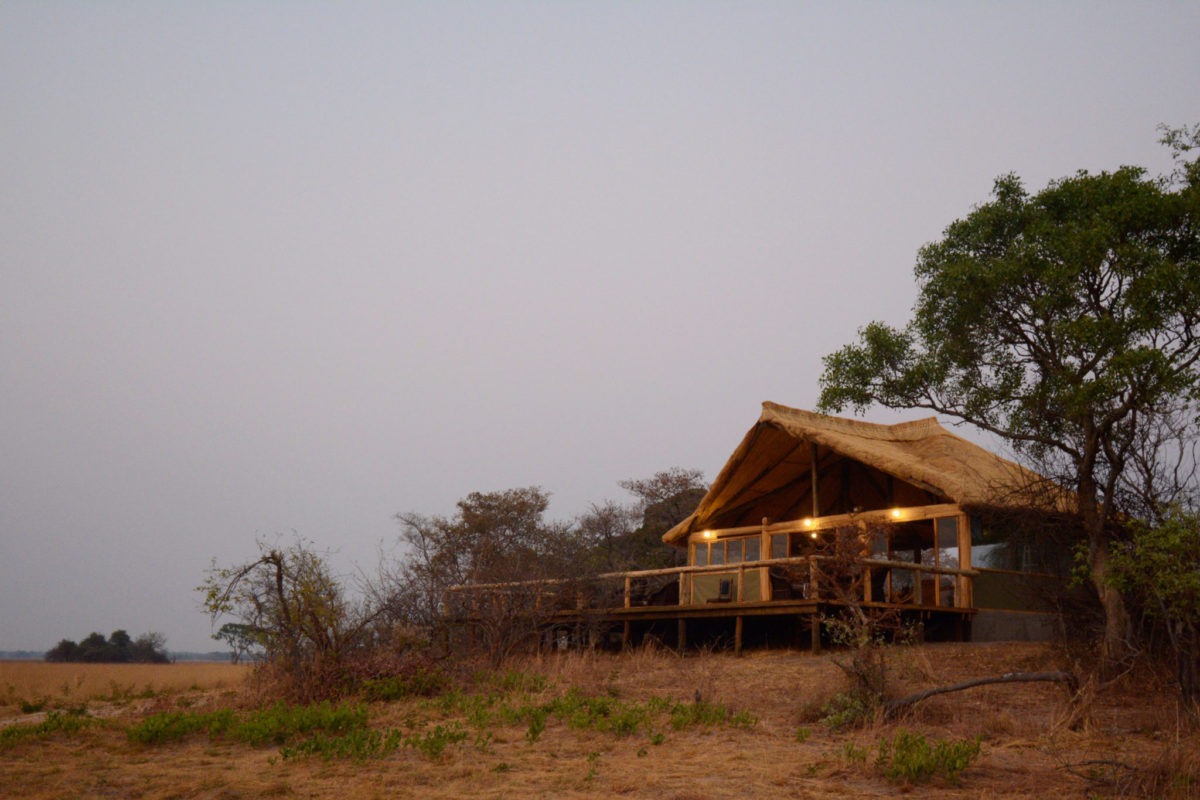
Unlock the secrets of wildlife photography with an immersive workshop in Zambia’s legendary South Luangwa National Park. Guided by professional wildlife photographers, this experience is perfect for both beginners and seasoned shutterbugs. The workshop includes two daily game drives in a customized photographic vehicle, hands-on guidance, full-board accommodation in comfortable chalets, all meals, park and conservation fees, laundry, and WiFi.

Rates start from USD 3,220 per person (sharing) for the low season (15th April–30th June 2025 & 1st–30th November 2025) and USD 3,715 per person (sharing) for the high season (1st July–31st October 2025).

A minimum of two guests is required. Single supplements are USD 82/night (low season) and USD 90/night (high season). Rates exclude drinks and are subject to change.
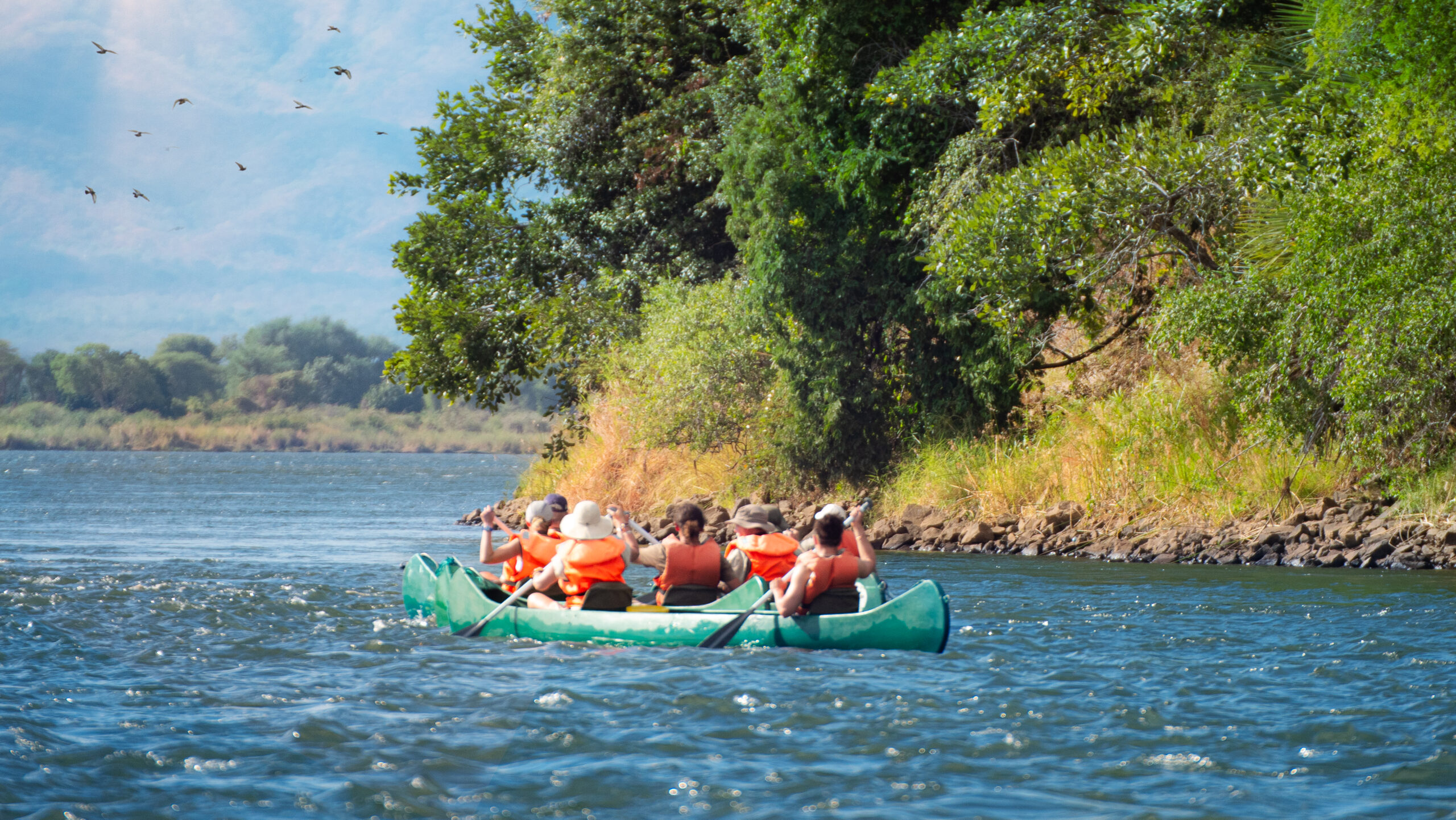
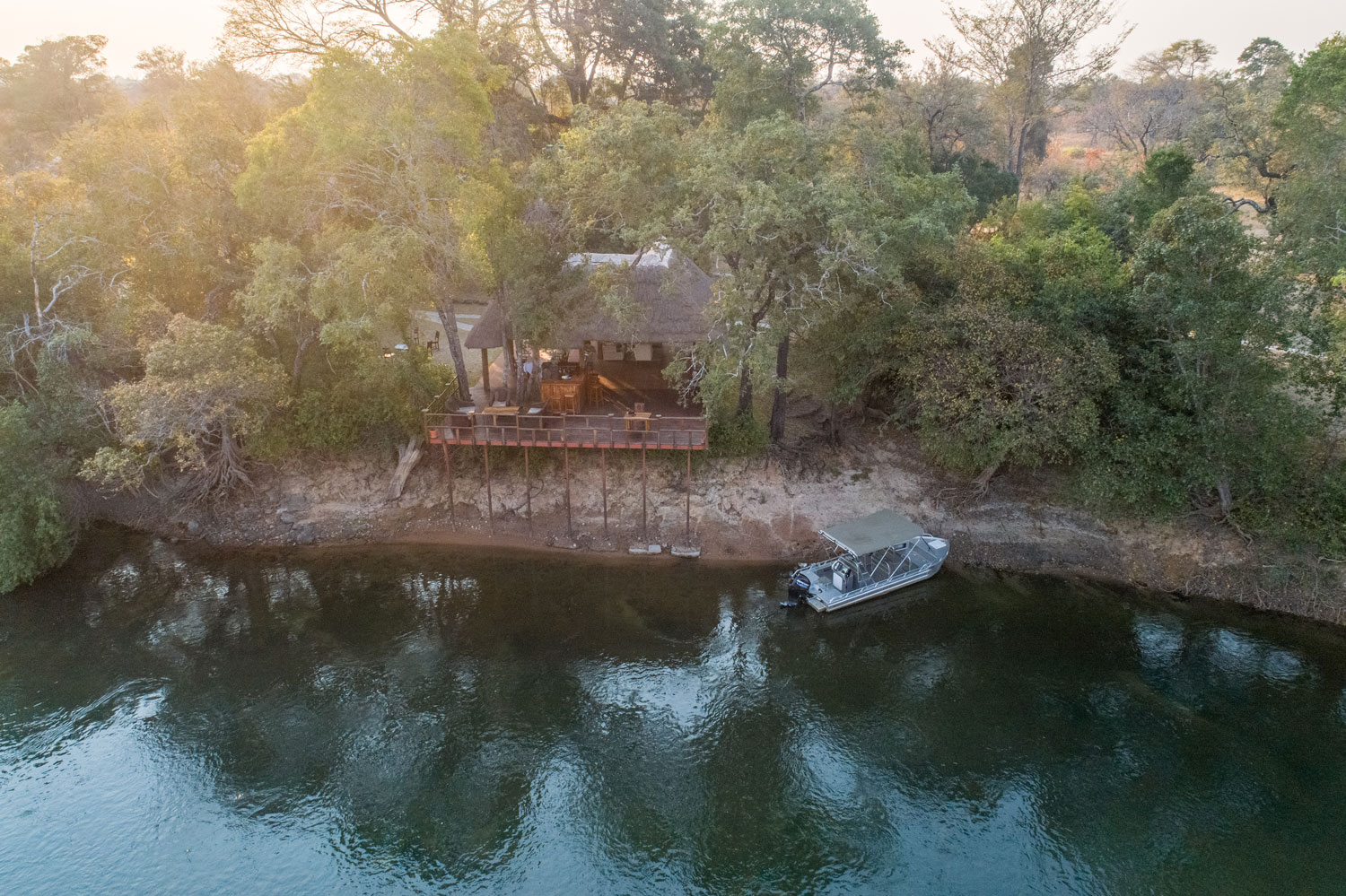
Highlights
  • Learn wildlife photography from expert guides in South Luangwa National Park
  • Two daily game drives in customized vehicles for prime photographic opportunities
  • Stay in comfortable chalets with all meals, laundry, and WiFi included
  • Master essential techniques: exposure, composition, timing, and creative camera settings
  • Small group sizes ensure personalized attention and a hands-on learning experience

What’s Included

Accommodation
Bed Levies
Food
Park Fees
Tolls & Taxes
Tented Accommodation
Transfers & Charters

What's Excluded

Itinerary

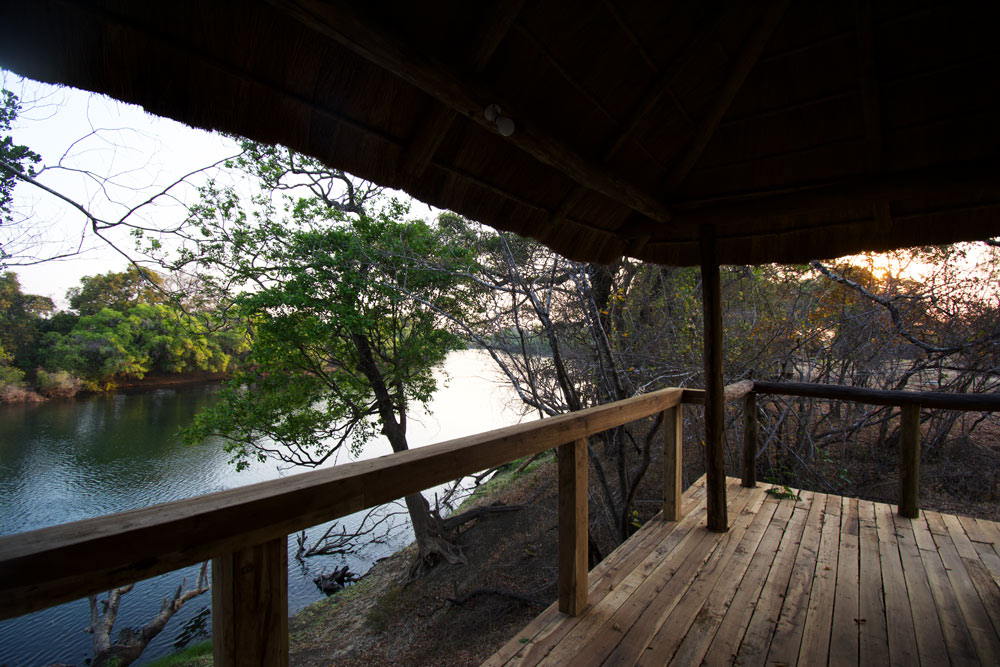
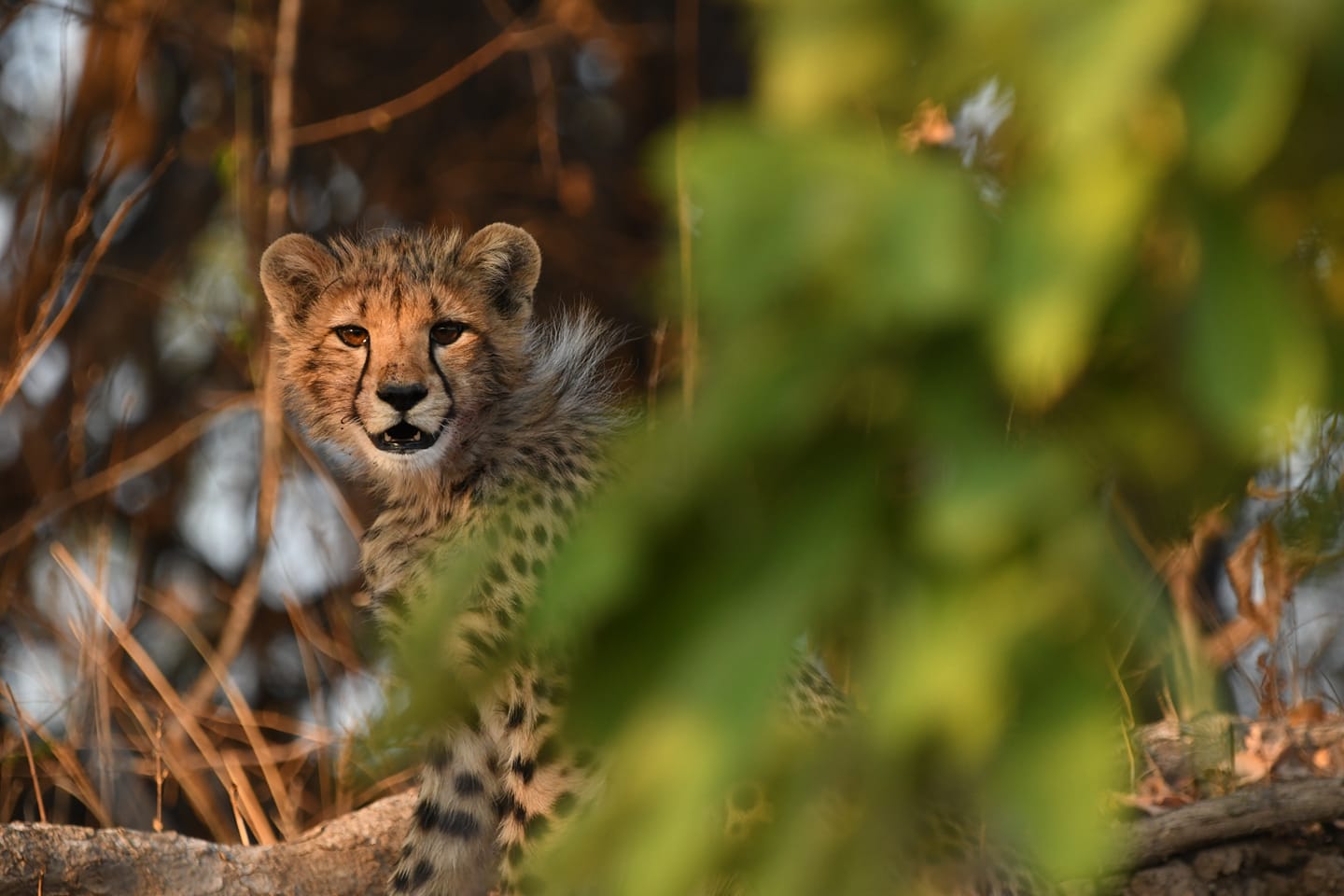
Your wildlife photography workshop begins in the heart of South Luangwa, where you’ll settle into a riverside chalet and meet your professional photographic guide. Each day is filled with hands-on learning, as you set out on early morning and late afternoon game drives designed to capture the park’s magical golden-hour light and thrilling wildlife moments. Throughout your stay, you’ll receive expert instruction on camera settings, creative techniques, composition, and exposure—all tailored to the unique challenges of photographing wildlife in the African bush. Between game drives, enjoy delicious meals, relaxed afternoons, and group image review sessions to refine your skills. Whether tracking big cats at sunrise, capturing dynamic birdlife, or experimenting with night photography, you’ll gain the confidence and know-how to create unforgettable images—and depart with a gallery of your own wild masterpieces.

Tour Plan

Expand All
Module 1

Master the Basics: Understand the exposure triangle—aperture, shutter speed, and ISO—for perfect shots in the wild.

Module 2

Practice Makes Perfect: The best way to learn wildlife photography is by getting out in the bush and experimenting with your camera. 

Module 3

Keep It Simple: Avoid carrying too much equipment. A camera with a zoom lens and the ability to adjust settings manually is often enough. Bring extra batteries and memory cards.

Module 4

Timing is Everything: The best light for wildlife photography is just before dawn and dusk—the ‘golden hour.’ Early mornings and late afternoons offer magical lighting.

Module 5

Stay Ready: Wildlife moments can happen in an instant. Set your camera before you start and always be prepared to adapt quickly. 

Module 6

Creative Decisions: There’s always a balance between shutter speed, aperture, and ISO. Higher shutter speed prevents blur but may lead to grainy photos; grain can be corrected, but blur usually can't. 

Module 7

Minimal Disruption: Use natural or warm spotlights for night photography—avoid flashes as they can scare away animals. 

Module 8

Photographic Guides: A photographic guide understands the best timings and angles for capturing wildlife and can help you make the most of each moment.

Module 9

Experiment with Technique: Don’t just stick to high shutter speeds. Try panning (using slow shutter speed) to capture dynamic movement and add creativity to familiar subjects.

Module 10

Master Exposure Compensation: Learn to override your camera’s automatic exposure to adapt to difficult lighting—like spotlit animals at night or dark animals against bright backgrounds—for perfect results in the field. 

Module 11

Composition Matters: Discover how to frame wildlife for dramatic impact, leaving space in the direction of movement and making your images more engaging. 

Module 12

Know When to Switch to Video: Some action moments—like flocks of birds in flight—are best captured in video. Modern cameras make it easy to switch between stills and videos instantly. 

Module 13

Prioritize Your Subjects: Learn what to focus on at different times of day—early mornings are best for big cats and predators, while birds and smaller animals can be photographed later. 

Module 14

Exposure Triangle Tips: Keep ISO low to reduce noise, but don’t sacrifice shutter speed and sharpness, especially in low light or action scenes. 

Module 15

Enjoy the Process: Set your camera in advance, stay ready, and let your creativity flow in the stunning landscapes of South Luangwa. 


    Book This Tour
    0
    0
    0

    Login