Why the Shoebill is Africa’s Most Mysterious Bird
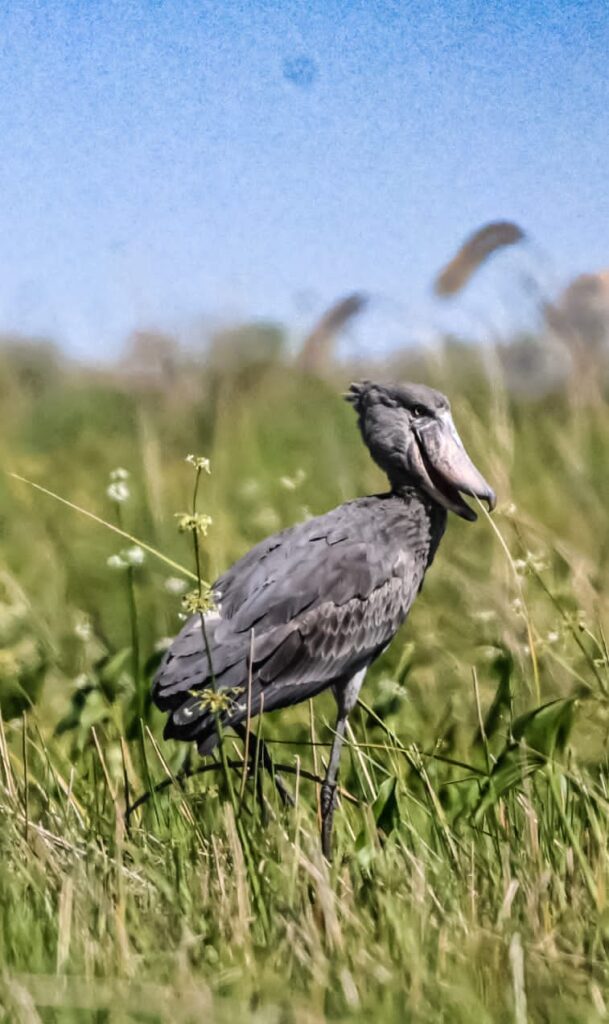
Few wildlife encounters in Africa are as unforgettable as coming face to face with the elusive shoebill. Often described as prehistoric in appearance, this rare bird is instantly recognizable by its massive shoe-shaped bill, piercing gaze, and slow, deliberate movements. For many travelers and bird enthusiasts, spotting a shoebill is not just another tick on a checklist — it is a once-in-a-lifetime experience.
What makes the shoebill even more fascinating is its rarity. Found only in select wetland regions of East and Central Africa, it remains one of the continent’s most sought-after species. Unlike more common safari sightings, encountering a shoebill feels deeply personal and exclusive, adding a sense of discovery and adventure to your journey.
In Zambia, the Bangweulu Wetlands offer one of the best opportunities in the world to observe this extraordinary bird in its natural habitat. With expert local guides and carefully organized tracking experiences, visitors can get remarkably close to shoebills while respecting their environment.
For those seeking something truly unique beyond the traditional safari, shoebill tracking in Bangweulu is an experience that stands in a class of its own.
Where Are the Bangweulu Wetlands Located?
The Bangweulu Wetlands are one of Zambia’s most remarkable and least explored natural treasures, located in the northern part of the country, primarily within Luapula Province. The name “Bangweulu” translates to “where the water meets the sky,” a fitting description for this vast, shimmering landscape of floodplains, lagoons, and papyrus swamps that stretch as far as the eye can see.
Situated around Lake Bangweulu, this unique ecosystem covers thousands of square kilometres and plays a vital role in supporting both wildlife and local communities. Despite its ecological importance, Bangweulu remains largely untouched by mass tourism, offering visitors a rare opportunity to experience raw, authentic Africa away from crowded safari circuits.
Reaching Bangweulu is part of the adventure. Travelers typically access the wetlands via Kasama or Mpika, followed by a scenic drive to the lodges and camps that serve as gateways to the swamps. While the journey requires a bit more effort compared to more established parks, it is precisely this remoteness that preserves the area’s charm and exclusivity.
For travelers seeking an off-the-beaten-path destination, Bangweulu delivers a sense of discovery that few places in Africa can match.
What Makes the Shoebill So Unique?
The shoebill is unlike any other bird in Africa — or the world. Standing over a meter tall, it is best known for its massive, shoe-shaped bill, which it uses with remarkable precision to catch prey such as lungfish, frogs, and even small reptiles. Its slow, almost statuesque movements and intense stare give it a truly prehistoric presence.
What makes the shoebill especially fascinating is its hunting style. It can stand completely still for long periods before striking with incredible speed, making it one of the most efficient predators in the wetlands. This patience and power create a dramatic wildlife encounter for visitors.
Even more remarkable is how approachable shoebills can be in Bangweulu. With expert guides, you can observe them at close range without disturbing their natural behavior — a rare privilege that makes this experience truly unforgettable.
Why Bangweulu is One of the Best Places in the World to See Shoebills?
Bangweulu Wetlands is widely regarded as one of the most reliable places on Earth to see the elusive shoebill in the wild. Unlike many other regions where sightings are rare and unpredictable, Bangweulu offers a consistently high success rate thanks to its vast, protected habitat and experienced local guides.
What truly sets Bangweulu apart is the tracking experience itself. Guided by community scouts who know the wetlands intimately, visitors can navigate narrow channels and open floodplains to locate shoebills in their natural environment. This is not a distant sighting through binoculars — it is an immersive, up-close encounter.
The low visitor numbers also enhance the experience. Without crowds or vehicle congestion, every sighting feels personal and exclusive. For serious birders and adventurous travelers alike, Bangweulu delivers a rare combination of accessibility, authenticity, and unforgettable wildlife moments.
The Shoebill Tracking Experience: What to Expect
Tracking a shoebill in Bangweulu is not your typical safari activity — it is an adventure that begins early in the morning, often just after sunrise. With experienced local guides leading the way, you set out by boat or traditional canoe through narrow channels, surrounded by papyrus and open floodplains.
Once a shoebill is located, the approach is done slowly and carefully, often on foot through shallow water. The guides are highly skilled at reading the bird’s behavior, ensuring you get close enough for incredible views and photographs without causing disturbance.
What makes this experience truly special is the intimacy. There are no crowds, no vehicles — just you, your guide, and one of Africa’s rarest birds in its natural habitat. It is calm, raw, and deeply immersive.
For travelers looking for something beyond the ordinary safari, shoebill tracking offers a powerful connection to nature that few experiences can match.
Best Time to Visit Bangweulu for Shoebill Sightings
The best time to visit Bangweulu Wetlands for shoebill sightings is during the dry season, typically from May to October. During this period, water levels begin to recede, vegetation becomes less dense, and the shoebills are easier to locate in more open areas of the wetlands.
These months also offer more comfortable travel conditions, with cooler temperatures and easier access to remote areas. Early mornings are especially rewarding, as shoebills are most active during this time, often seen hunting in the shallow waters.
While Bangweulu can be visited at other times of the year, the rainy season (November to April) brings higher water levels and thicker vegetation, making sightings more challenging and logistics more complex.
For the best overall experience — combining accessibility, high sighting success, and ideal weather — planning your trip during the dry season is highly recommended. This is when Bangweulu truly comes alive for shoebill tracking.
Wildlife Beyond the Shoebill: What Else You Can See
While the shoebill is the star attraction, Bangweulu Wetlands offers an incredible diversity of wildlife that makes the journey even more rewarding. The wetlands are home to the iconic black lechwe, with thousands of these antelopes moving gracefully through the floodplains — a spectacle found almost nowhere else in Africa.
Birdlife is equally impressive. Bangweulu is one of the few places where you can spot the rare, wattled crane, alongside hundreds of other bird species that thrive in this rich wetland ecosystem. For birdwatchers, it is nothing short of paradise.
You may also encounter species such as tsessebe, sitatunga, and a variety of aquatic life, all adapted to this unique environment. The sheer abundance and variety of wildlife make every outing feel different.
A visit to Bangweulu is not just about one bird — it is about experiencing an entire ecosystem that remains wild, untouched, and deeply captivating.
Conservation in Action: Protecting the Bangweulu Wetlands
The protection of the Bangweulu Wetlands is a powerful example of successful conservation in Africa. Managed in partnership with organizations like African Parks and local communities, the area has seen significant efforts to preserve its unique ecosystem and protect species such as the shoebill.
Community involvement is at the heart of this success. Local scouts are trained and employed to monitor wildlife, prevent poaching, and guide visitors through the wetlands. This not only safeguards biodiversity but also creates sustainable livelihoods for surrounding communities.
The results are evident — stable wildlife populations, improved protection measures, and a growing reputation as one of Zambia’s most important conservation areas. Shoebills, once under threat, now benefit from increased awareness and protection.
By visiting Bangweulu, travelers directly contribute to these conservation efforts. Every trip supports ongoing initiatives that ensure this extraordinary habitat continues to thrive for generations to come.
Community Impact: How Shoebill Tourism Supports Local Livelihoods
Tourism in Bangweulu is not just about wildlife — it plays a vital role in supporting local communities. Many of the guides who lead shoebill tracking experiences are from nearby villages, bringing deep knowledge of the wetlands while earning a stable income through tourism.
This community-based approach creates a direct link between conservation and livelihoods. As tourism grows, so do opportunities for employment, from guiding and lodge staff to boat operators and support services. It encourages local communities to actively protect the wetlands and the wildlife within them.
Projects in the region also support education, healthcare, and sustainable resource management, ensuring that the benefits of tourism extend beyond the immediate experience.
For travelers, this means your visit has real impact. Choosing Bangweulu is not only about seeing something extraordinary — it is about contributing to a model of tourism that uplifts communities while preserving one of Zambia’s most unique ecosystems.
How to Get to Bangweulu Wetlands
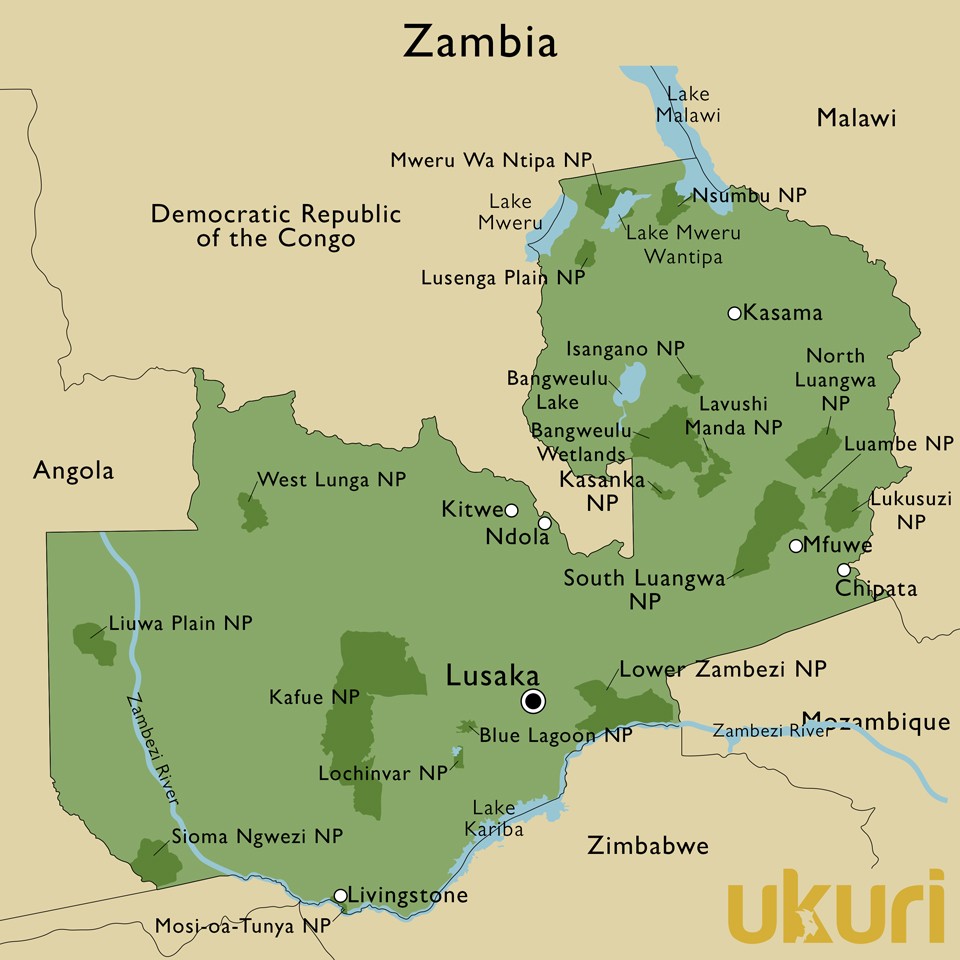
The most efficient way to reach Bangweulu Wetlands is by flying from Lusaka to Kasama, the nearest major town to the wetlands. Zambia’s main domestic carrier, Proflight Zambia, operates direct flights on this route, making access much easier for travelers.
Flights from Lusaka to Kasama take approximately 1 hour 30–35 minutes, offering a quick and comfortable journey compared to the long overland drive.
Typical schedules include:
- Morning flight: around 07:55 → arriving approximately 09:30
- Mid-morning option: around 10:45 → arriving approximately 12:20
There are usually a few flights per week, so planning ahead is important, especially during peak safari season.
From Kasama, guests continue by road transfer (3–5 hours depending on camp location) into the Bangweulu Wetlands. For a more exclusive experience, some safari packages can arrange charter flights directly to nearby airstrips closer to the camps.
Choosing to fly not only saves time but also allows you to maximize your experience in one of Zambia’s most remote and rewarding destinations.
Where to Stay: Lodges and Camps in Bangweulu
Accommodation in Bangweulu is limited, which adds to the exclusivity and untouched feel of the destination. The most well-known option is Shoebill Island Camp, a simple yet comfortable camp perfectly positioned for early morning shoebill tracking. Its location deep within the wetlands allows guests to access prime viewing areas quickly and efficiently.
The camp offers an authentic safari experience rather than luxury, focusing on immersion in nature. Expect clean, functional chalets or tents, warm hospitality, and stunning views over the floodplains. Evenings are peaceful, often accompanied by the sounds of birds and distant wildlife.
Because options are few, availability can be limited — especially during peak season. Planning ahead is essential to secure your stay.
For travelers seeking a raw, off-the-grid adventure, Bangweulu’s camps provide a rare opportunity to disconnect from the modern world and fully experience one of Zambia’s most unique ecosystems.
Why Bangweulu Should Be on Your Zambia Safari Itinerary
Bangweulu offers something that many safari destinations have lost — a true sense of exploration. Far from crowded parks and busy game drives, this remote wetland provides an intimate and authentic wildlife experience that feels both raw and deeply rewarding.
What makes Bangweulu stand out is its uniqueness. From tracking the rare shoebill on foot to witnessing vast herds of black lechwe moving through the floodplains, every moment feels different from a traditional safari. It is not about ticking off the “Big Five,” but about experiencing one of Africa’s most remarkable ecosystems.
For travelers who have already visited popular destinations like South Luangwa or the Lower Zambezi, Bangweulu offers a refreshing contrast — quieter, wilder, and more personal.
Adding Bangweulu to your Zambia itinerary creates a well-rounded safari, combining iconic wildlife experiences with something truly rare and unforgettable. It is the kind of destination that leaves a lasting impression long after your journey ends.
Plan Your Shoebill Adventure with Ani & Mad Holidays
Planning a trip to Bangweulu requires careful coordination — from flights and transfers to securing limited accommodation and experienced guides. This is where Ani & Mad Holidays ensures a seamless and stress-free experience, allowing you to focus entirely on the adventure.
With in-depth knowledge of Zambia’s hidden destinations, Ani & Mad curates personalized shoebill safaris tailored to your travel style. Whether you are a dedicated birder, a wildlife photographer, or simply looking for something beyond the traditional safari, every detail is thoughtfully arranged to maximize your experience.
From booking your domestic flights from Lusaka to organizing transfers into the wetlands and securing your stay at Shoebill Island Camp, the entire journey is handled with precision and care. You also benefit from trusted local partnerships that guarantee authentic and responsible travel experiences.
If you are ready to discover one of Africa’s most extraordinary wildlife encounters, Bangweulu awaits — and Ani & Mad Holidays is here to make it happen.
References
- African Parks. (n.d.). Bangweulu Wetlands, Zambia. Available at: https://www.africanparks.org/the-parks/bangweulu
- Zambia Tourism Agency. (n.d.). Bangweulu Wetlands. Available at: https://www.zambiatourism.com
- BirdLife International. (n.d.). Shoebill (Balaeniceps rex) Species Factsheet. Available at: https://www.birdlife.org
- IUCN. (n.d.). Balaeniceps rex (Shoebill) Red List Assessment. Available at: https://www.iucnredlist.org
- BBC Earth. (n.d.). The Shoebill: Africa’s Most Mysterious Bird. Available at: https://www.bbcearth.com
- National Geographic. (n.d.). Shoebill Bird Facts and Information. Available at: https://www.nationalgeographic.com
- Proflight Zambia. (n.d.). Domestic Flights in Zambia. Available at: https://proflight-zambia.com
- African Bird Club. (n.d.). Birding in Zambia and Bangweulu Wetlands. Available at: https://www.africanbirdclub.org